Infrastructure Monitoring
Infrastructure monitoring uses AI-based inspection, computer vision and sensor data to detect damage, defects and degradation across pipelines, transmission towers, substations, renewable assets and industrial energy infrastructure.
What It Is
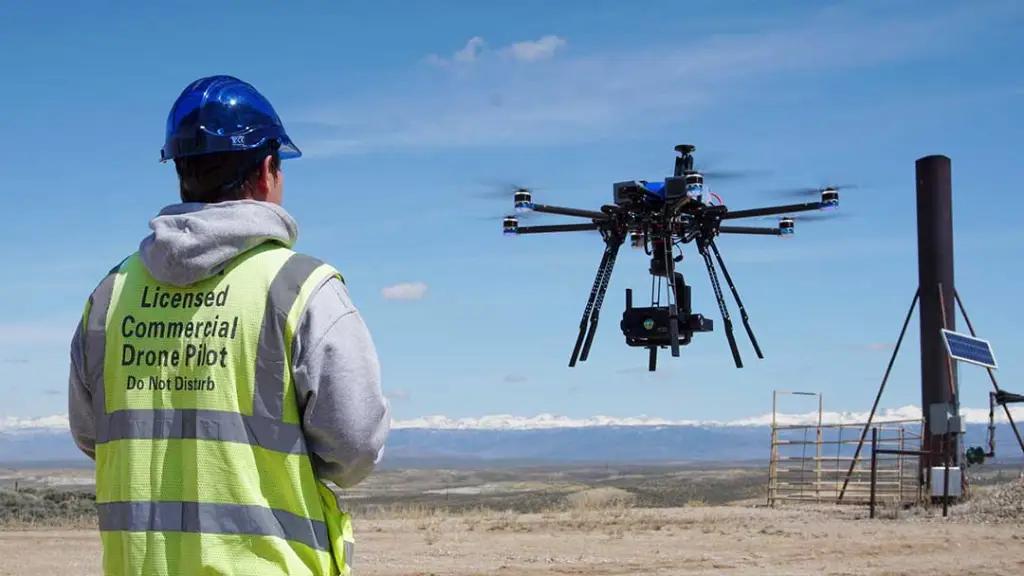
Infrastructure monitoring combines visual data from drones, fixed cameras, satellites, robots and field inspections with AI models that identify visible defects or abnormal conditions. Typical targets include corrosion, cracks, vegetation encroachment, missing components, thermal anomalies and structural damage.
In energy systems, these inspections are valuable because infrastructure is geographically distributed, safety-critical and expensive to inspect manually at scale.
Key Pain Points
Energy infrastructure is large, exposed and often located in remote or hazardous environments. Manual inspection alone can be slow, costly and inconsistent.
Energy Asset Types
AI monitoring can be applied across many energy asset classes, but each requires different sensors, inspection rules and defect models.
| Asset Type | Inspection Focus | Typical Data |
|---|---|---|
| Pipelines | Corrosion, leaks, ground movement, right-of-way encroachment | Drone imagery, thermal imaging, satellite data, patrol reports |
| Transmission towers | Structural damage, missing components, vegetation risk, insulator issues | Drone imagery, lidar, thermal cameras, fixed sensors |
| Substations | Hot spots, equipment condition, unauthorized access, visible wear | Thermal images, CCTV, inspection photos, sensor logs |
| Renewable assets | Blade defects, panel damage, soiling, tracker faults | Drone images, infrared imagery, SCADA data, inspection records |
Inspection Workflow
A useful infrastructure monitoring workflow does not stop at defect detection. It must connect findings to prioritization, field operations and asset management.
Computer Vision Methods
Infrastructure monitoring uses multiple computer vision methods depending on whether the task is detection, classification, segmentation or change analysis.
Operational Integration
AI inspection only creates value when it connects to operational systems. Findings should flow into asset repositories, maintenance planning, field operations and risk dashboards.
| Integration Area | Operational Value |
|---|---|
| Asset management | Links detected defects to asset history, metadata and inspection records. |
| Field operations | Creates work orders and prioritizes crews based on risk and location. |
| Predictive maintenance | Combines visual evidence with sensor trends and asset health models. |
| Energy security | Supports detection of physical tampering, intrusion or abnormal asset conditions. |
Key Performance Metrics
Infrastructure monitoring should be measured by inspection effectiveness and operational follow-through, not only model accuracy.
Limitations & Practical Considerations
Computer vision performance depends on image quality, lighting, viewing angle, sensor type, weather conditions and training data. Models trained on one asset type or environment may not generalize to another.
Human review is still important for high-risk findings, unusual defects and safety-critical decisions. AI should reduce review burden and improve prioritization, not remove engineering judgment.
Related Deep Dives
Infrastructure monitoring connects AI operations with predictive maintenance, real-time analytics and energy security.