Seismology & Geophysics
Unveiling the Earth's Interior: Earthquake Simulation and Resource Exploration at the Petascale.
Imaging the Unseen
Geophysics is the science of inverse problems. To reconstruct the Earth’s sub-surface architecture, we must solve complex wave equations across heterogeneous tectonic structures. Malgukke delivers the GPU-accelerated clusters and high-throughput storage required for Reverse Time Migration (RTM) and Full Waveform Inversion (FWI).
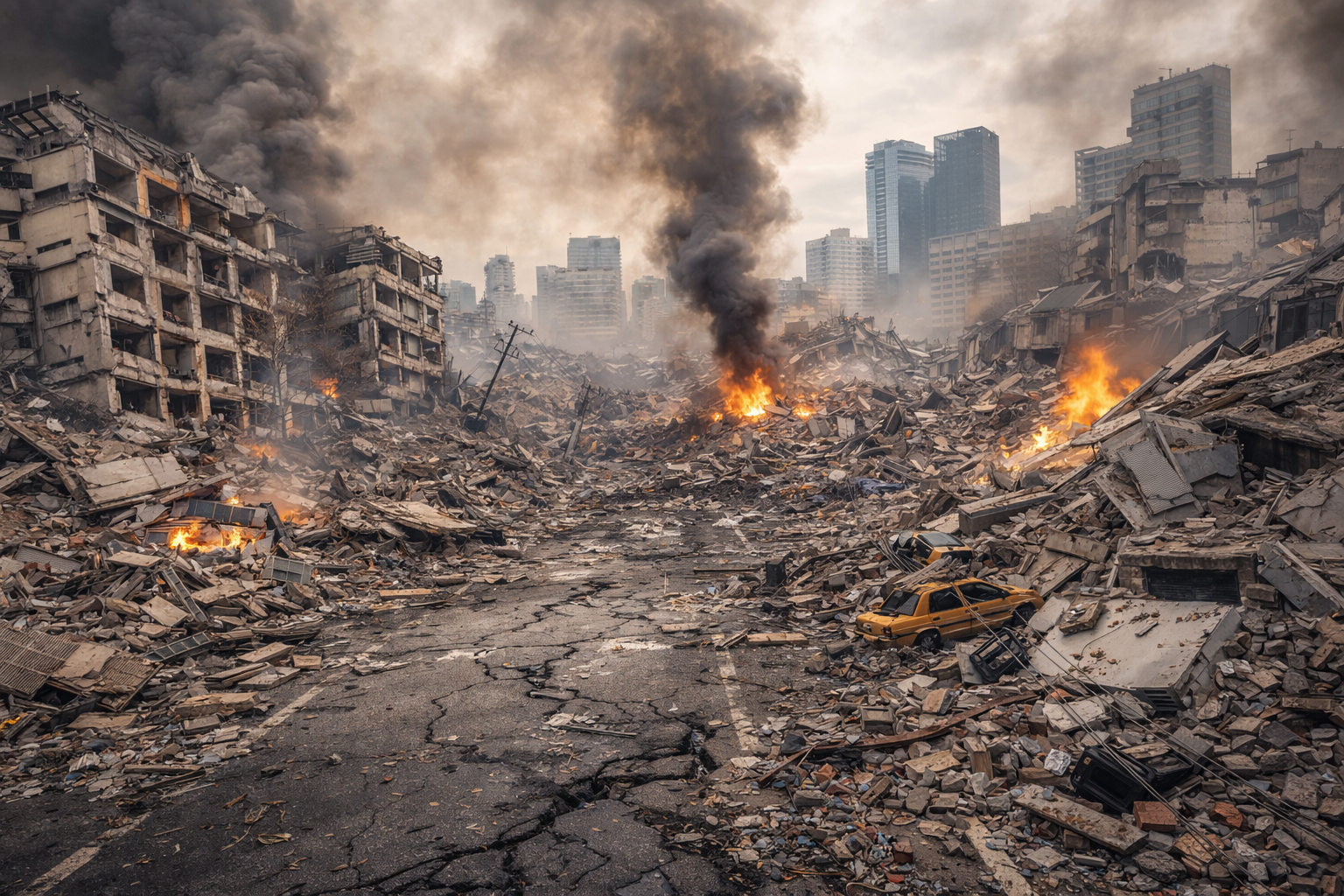
Earthquake Simulation
Modeling high-frequency wave propagation to assess seismic hazard and protect critical infrastructure.
Resource Exploration
Analyzing 3D seismic data to secure energy and mineral sovereignty through advanced imaging.
Geophysical Logic: Vibration -> Inversion -> Discovery
| Field of Action | HPC / Algorithm | Operational Outcome |
|---|---|---|
| Seismic Hazard | Spectral element methods on $10^9$ grid points. | Early Warning & Structural Safety |
| Mineral Sovereignty | Reverse Time Migration (RTM) on multi-GPU nodes. | Precise Target Drill Mapping |
| Geothermal Energy | Coupling seismic data with thermal fluid flow models. | Optimized Sustainable Power Extraction |
Centers of Geophysical Excellence
Malgukke Insight: The High-Throughput Seismic Wall
In geophysics, data volume is the primary barrier to resolution.
A single seismic survey can generate tens of petabytes of raw trace data. The challenge is moving this data into the GPU memory fast enough to allow for iterative Full Waveform Inversion. We build specialized storage tiers using Lustre and NVMe over Fabrics (NVMe-oF) to ensure the compute nodes are never starved for data, enabling 3D imaging at resolutions previously thought impossible.