Energy Storage Optimization
Energy storage optimization describes the data-driven coordination of battery assets, power electronics, market signals and grid requirements. The goal is to operate storage systems safely, profitably and reliably while preserving battery health over time.
Why Storage Optimization Matters
Battery Energy Storage Systems are central to renewable power systems because they absorb excess generation, provide fast grid response and shift energy into higher-value time windows. Their economic value depends on how intelligently they are charged, discharged and protected from degradation.
Unlike conventional generation assets, batteries are constrained by state of charge, state of health, thermal limits, cycle aging and market participation rules. Optimization systems balance these constraints in real time.
BESS Orchestration
BESS orchestration focuses on coordinating battery modules, inverters, thermal systems and control logic so the asset can deliver value without accelerating avoidable degradation. The key challenge is finding the operating zone where revenue, reliability and battery lifetime remain balanced.

Typical BESS data inputs
| Input | Purpose |
|---|---|
| Voltage, current and impedance | Used to estimate battery condition and detect abnormal cell behavior. |
| State of charge | Defines how much energy is currently available for dispatch. |
| State of health | Indicates long-term capacity loss and aging behavior. |
| Temperature data | Supports thermal risk detection and cooling control. |
Virtual Power Plant Control
A virtual power plant aggregates many distributed energy resources into one coordinated operating unit. In the storage context, this can include utility-scale batteries, commercial batteries, home storage systems, electric vehicles and flexible loads.
The optimization problem is not only technical. A VPP must decide which asset should respond, how much capacity should be reserved, which market opportunity is most valuable and how grid constraints affect dispatch behavior.

| Aspect | Fragmented Storage | Orchestrated VPP |
|---|---|---|
| Control | Local asset-level decisions | Fleet-level optimization |
| Grid value | Peak shaving or backup use | Frequency support, reserve markets and congestion relief |
| Economic logic | Static operating schedule | Dynamic multi-market participation |
Thermal Management & Safety
High-power charging and discharging create heat. If thermal conditions are poorly controlled, batteries may age faster, reduce output or enter unsafe operating ranges. Optimization systems therefore monitor temperature trends and forecast thermal stress before it becomes operationally critical.
Reference Architecture
A storage optimization layer typically sits above the battery management system and inverter controls. It receives asset telemetry and external signals, calculates operational decisions and passes recommendations or dispatch instructions to control systems.
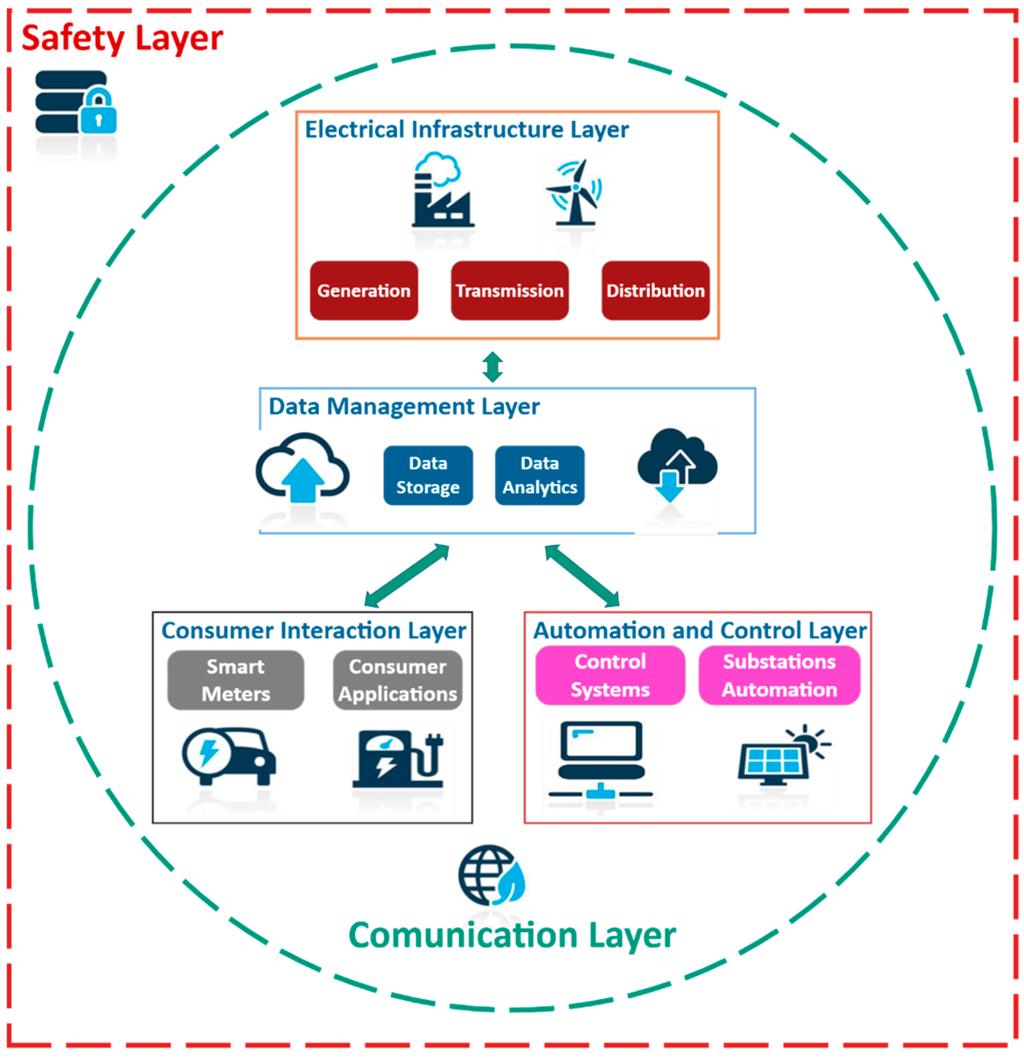
| Layer | Function | Examples |
|---|---|---|
| Asset layer | Physical storage and power conversion infrastructure | Battery racks, PCS, inverters, transformers |
| Control layer | Local safety and operating control | BMS, EMS, inverter controller |
| Data layer | Collects and normalizes operational signals | Telemetry, weather, grid state, market prices |
| Model layer | Forecasting, degradation analysis and optimization | SoH models, load forecasts, price forecasts |
| Decision layer | Determines dispatch, reserve and cycling strategy | Charge schedule, discharge command, reserve allocation |
Key Performance Metrics
Storage optimization is measured through technical health, economic performance and grid-service reliability.
Limitations & Practical Considerations
Storage optimization depends heavily on battery chemistry, manufacturer warranties, local grid codes, market access rules and integration with existing battery management systems. A strategy that is profitable in one market may be technically or commercially unsuitable in another.
Highly aggressive cycling can increase short-term revenue while reducing battery lifetime. Effective optimization therefore requires clear trade-off rules between revenue, reliability, safety and degradation.